A sticker chart is a popular tool used by parents and teachers to encourage and reward positive behavior in children. It is a simple and effective way to motivate children to achieve goals and develop good habits. Whether you are a parent looking for ways to encourage your child’s behavior or a teacher seeking classroom management strategies, sticker charts can be a valuable resource.
One of the benefits of using a sticker chart is that it allows children to visually track their progress. The chart is usually divided into rows and columns, with each square representing a specific behavior or task. When a child successfully completes the behavior or task, they are rewarded with a sticker in the corresponding square. Over time, as more stickers are added, the child can see their progress and feel a sense of accomplishment.
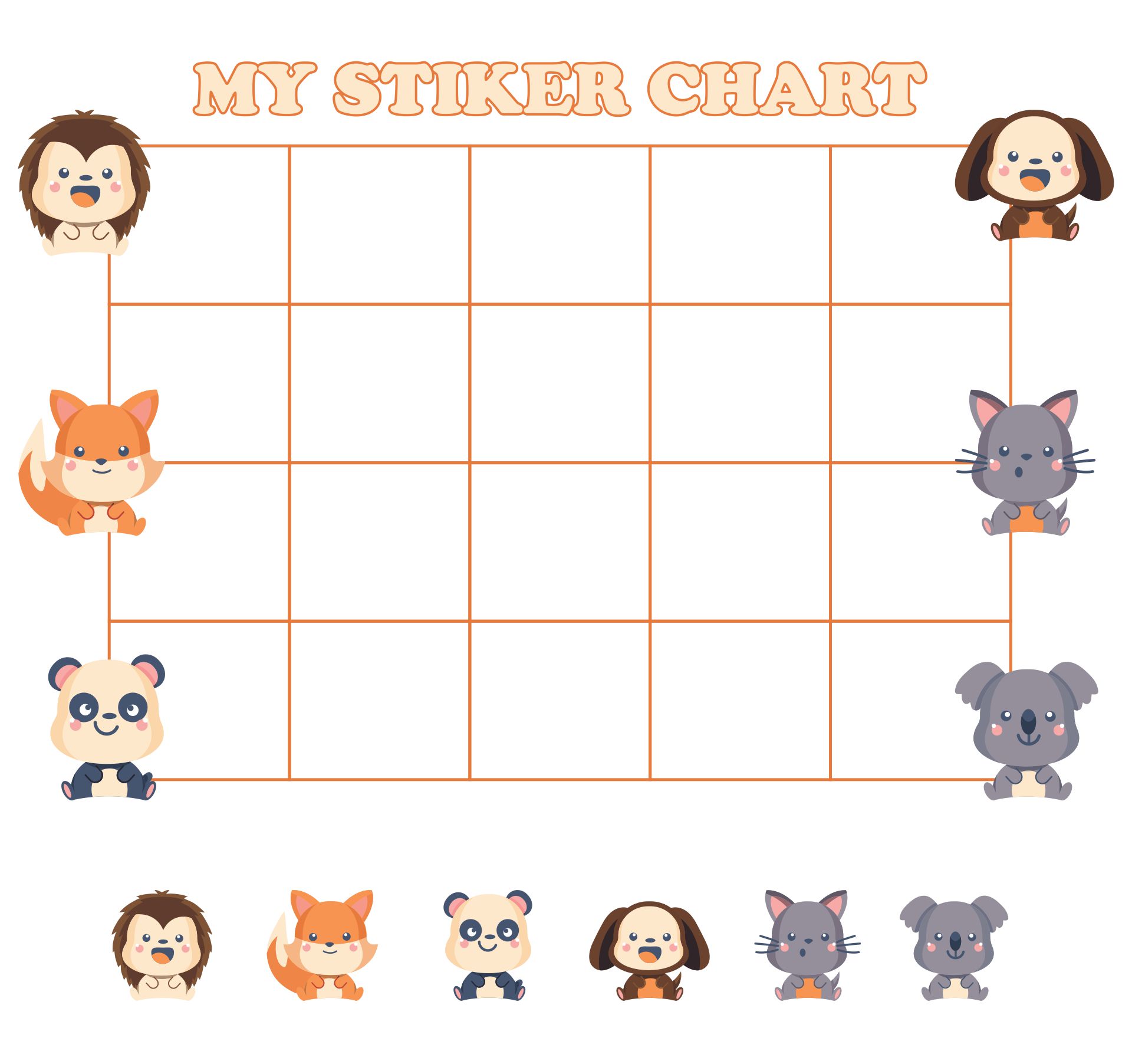
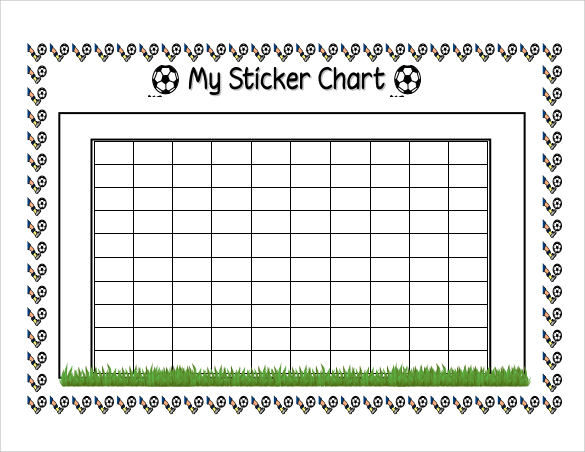
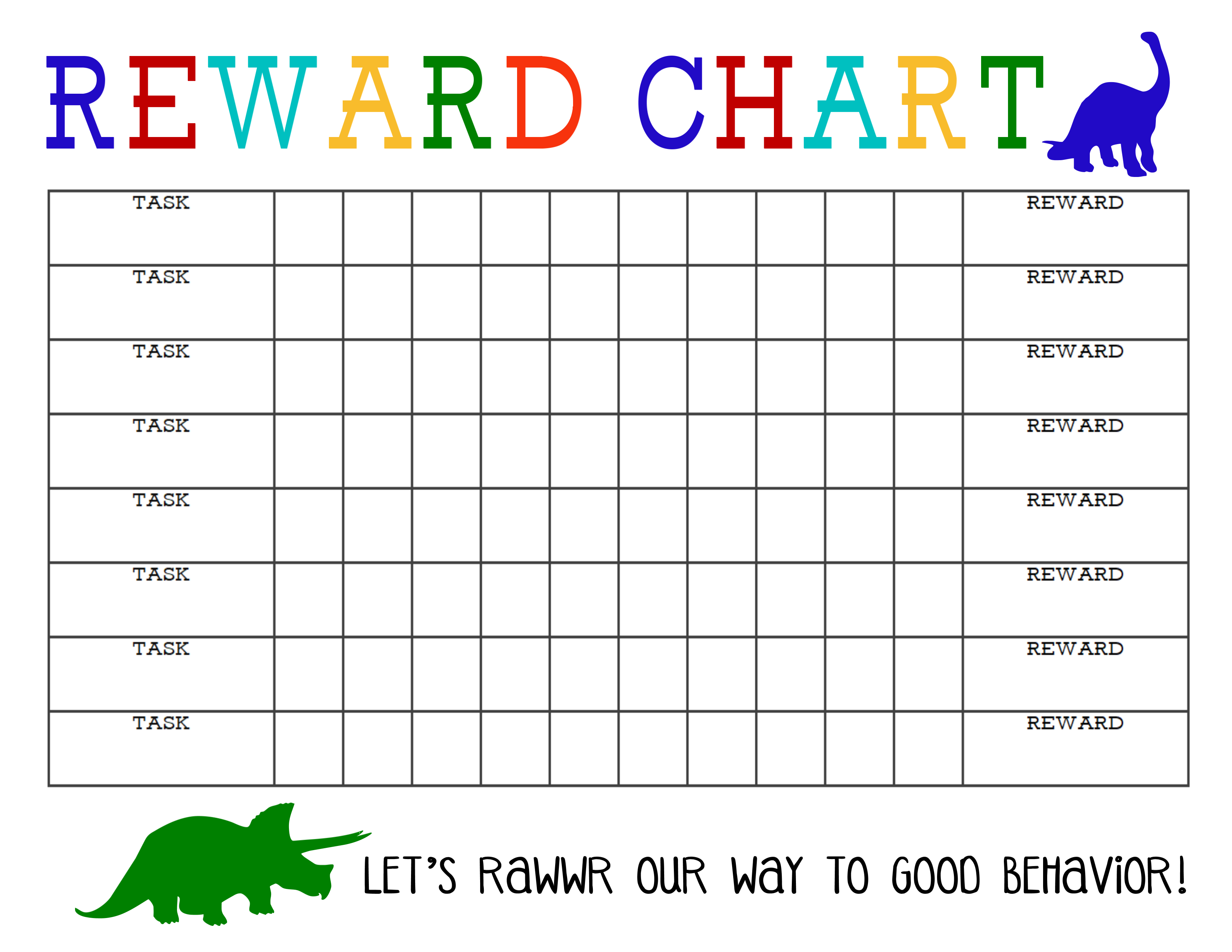
Sticker charts can be customized to fit the needs and interests of each child. For example, if a child loves dinosaurs, you can create a sticker chart with a dinosaur theme. If they are interested in sports, you can design a chart with sports-related images. This personalization makes the chart more engaging and fun for the child, increasing their motivation to earn stickers.
In addition to behavior management, sticker charts can also be used to teach important life skills and promote academic success. For example, you could create a chart to track reading goals, such as reading a certain number of books or reading for a certain amount of time each day. As the child earns stickers for reaching these goals, they develop a love for reading and improve their literacy skills.
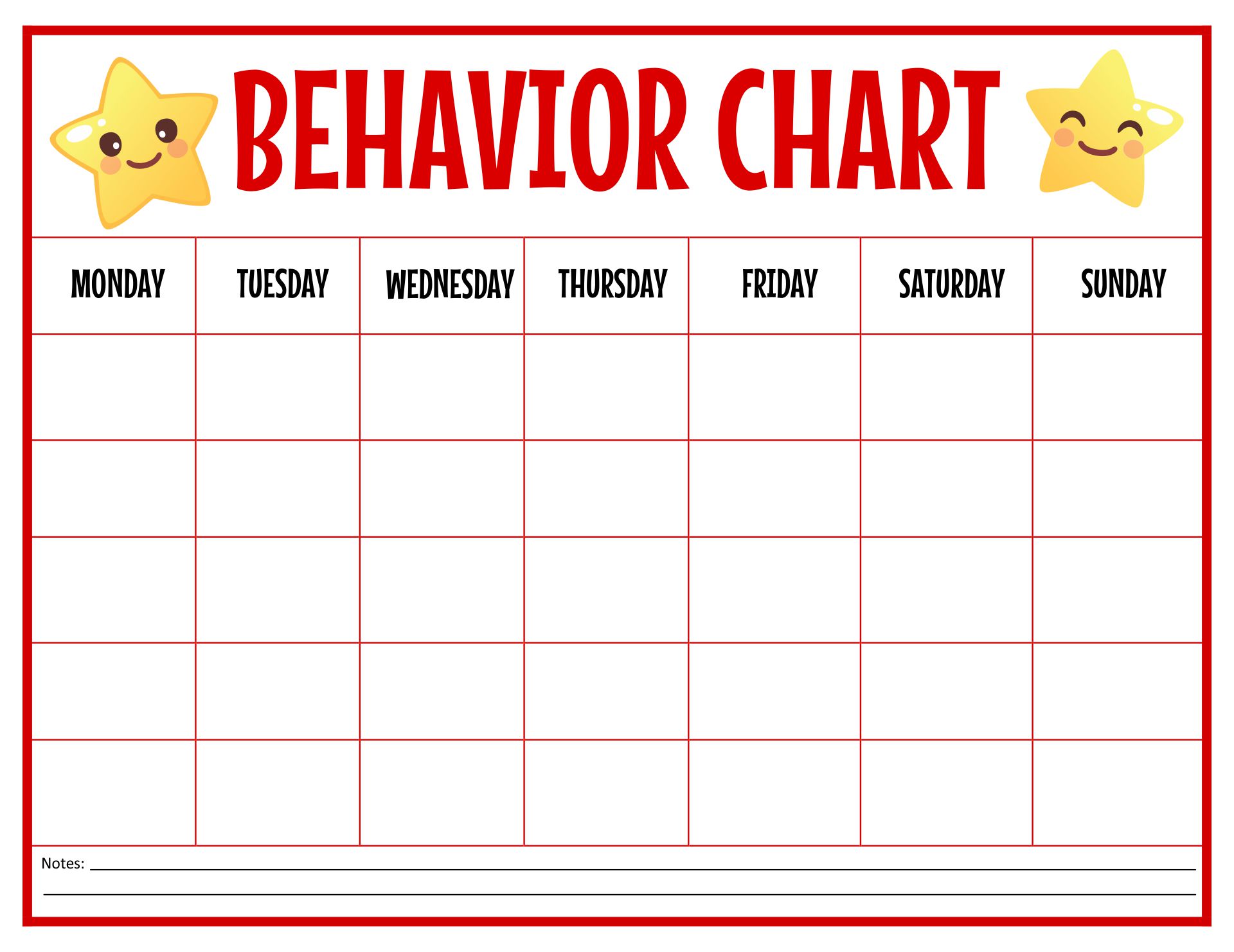
Sticker charts can also be used to reinforce positive behaviors and habits, such as completing chores, practicing good manners, or being kind to others. By rewarding these behaviors with stickers, children are motivated to continue engaging in them and develop positive habits that will serve them well throughout their lives.
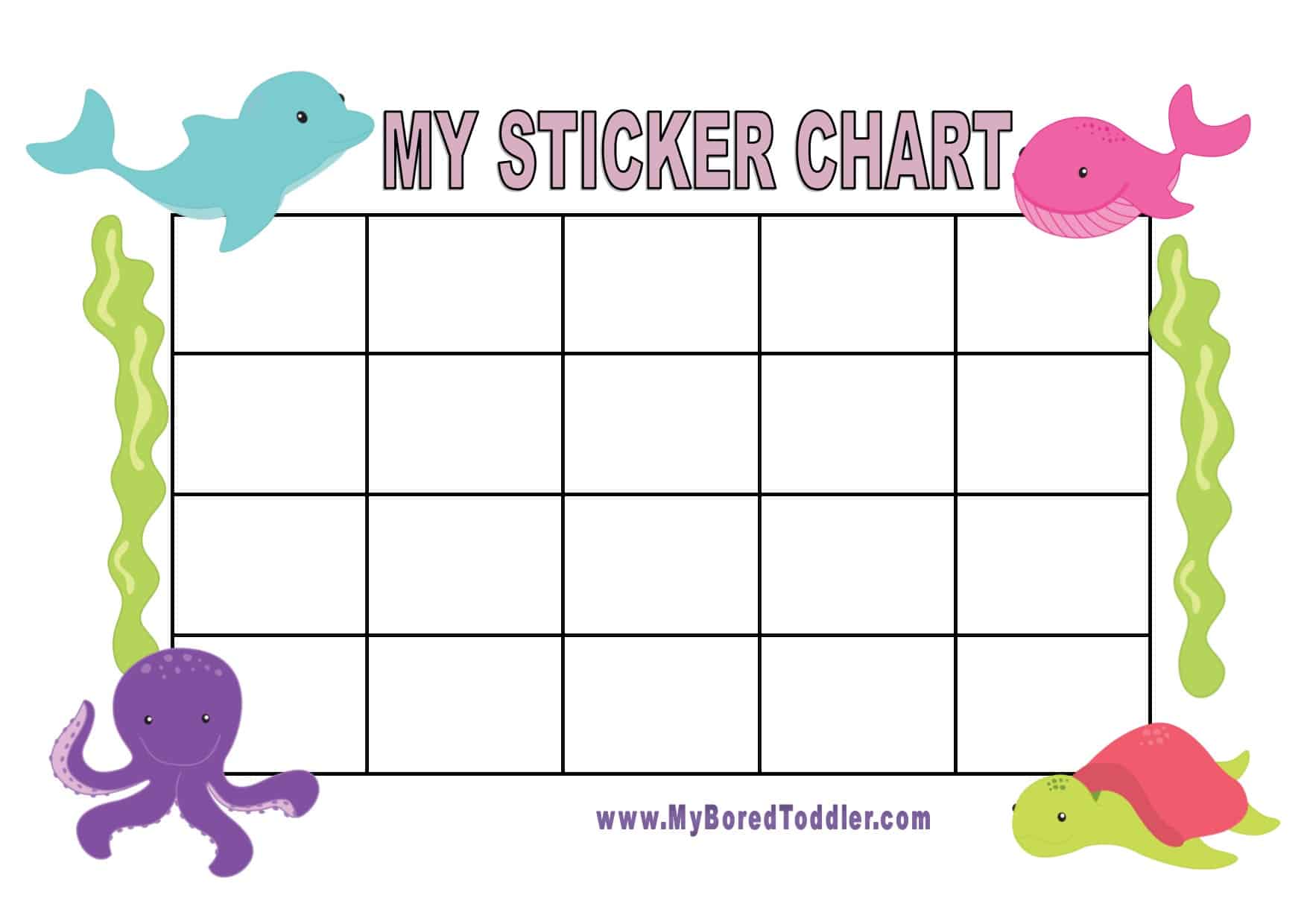
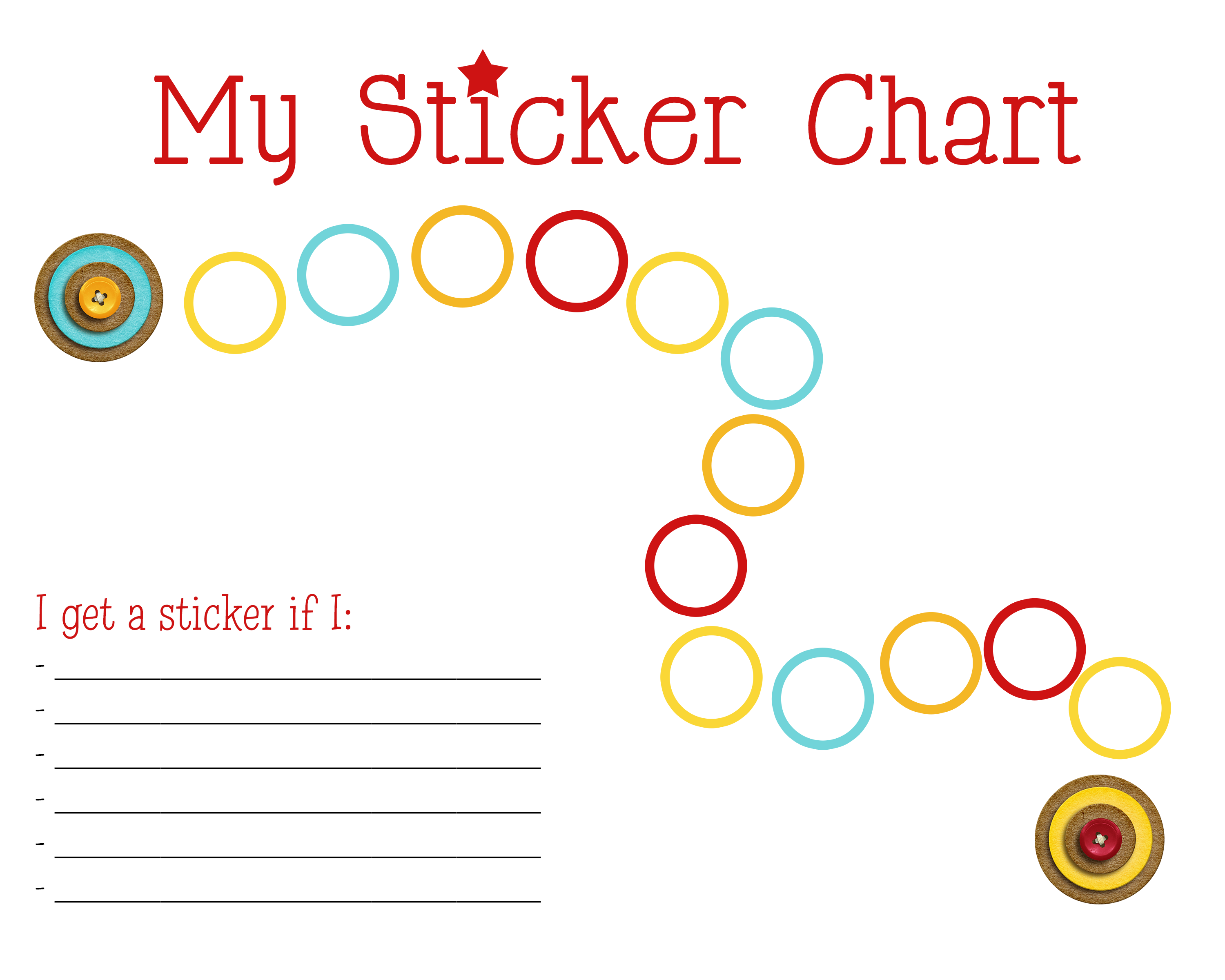
Sticker charts can be created using printable templates that are readily available online. There are numerous websites that offer free printable sticker chart templates, making it easy to find one that suits your needs. These templates often include colorful and attractive designs that appeal to children, making the chart even more visually appealing and engaging.
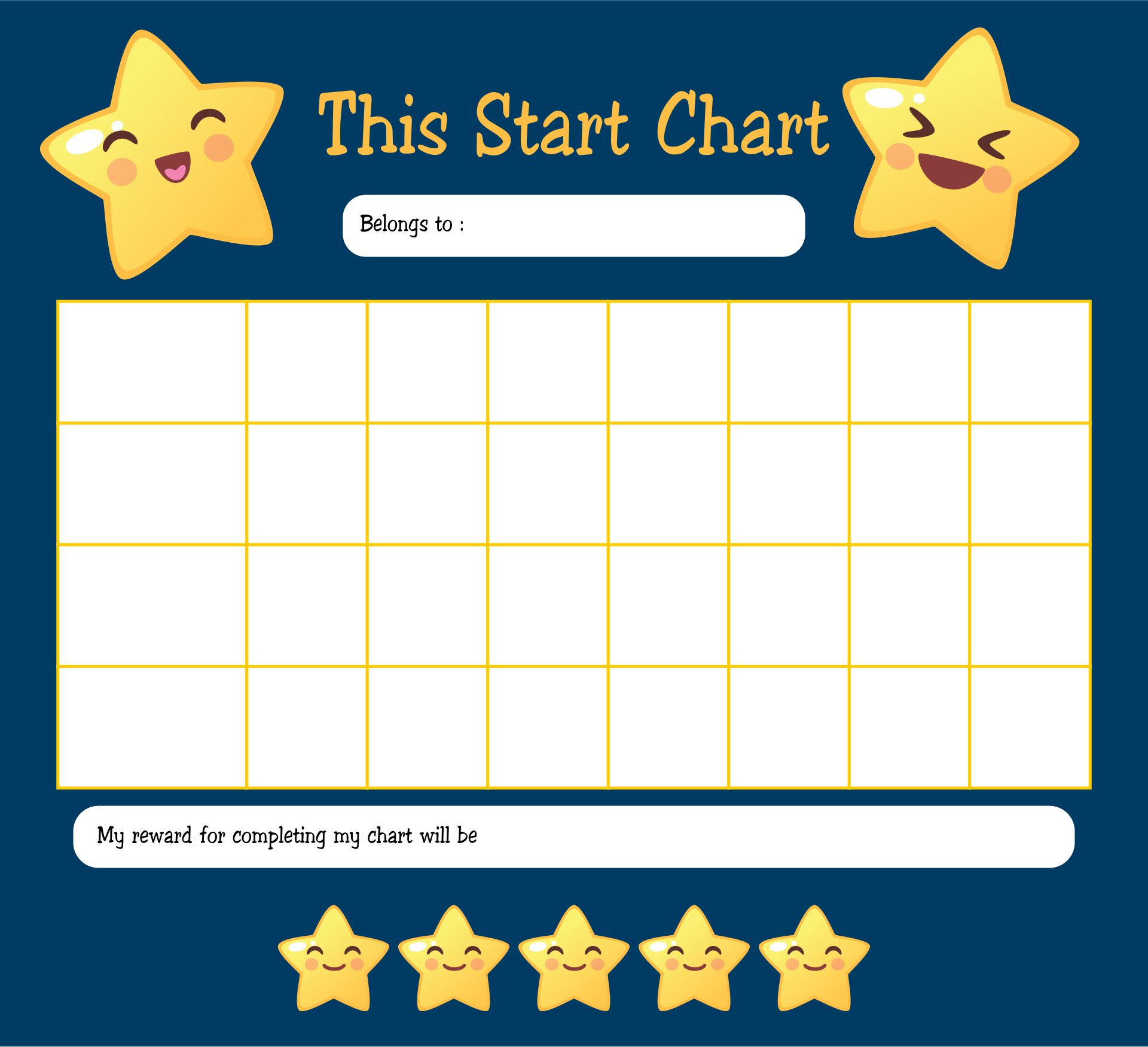
Blank sticker charts and templates are also available, allowing you to customize the chart based on your child’s specific goals and behaviors. This flexibility makes sticker charts a versatile tool that can be adapted to various situations and age groups.
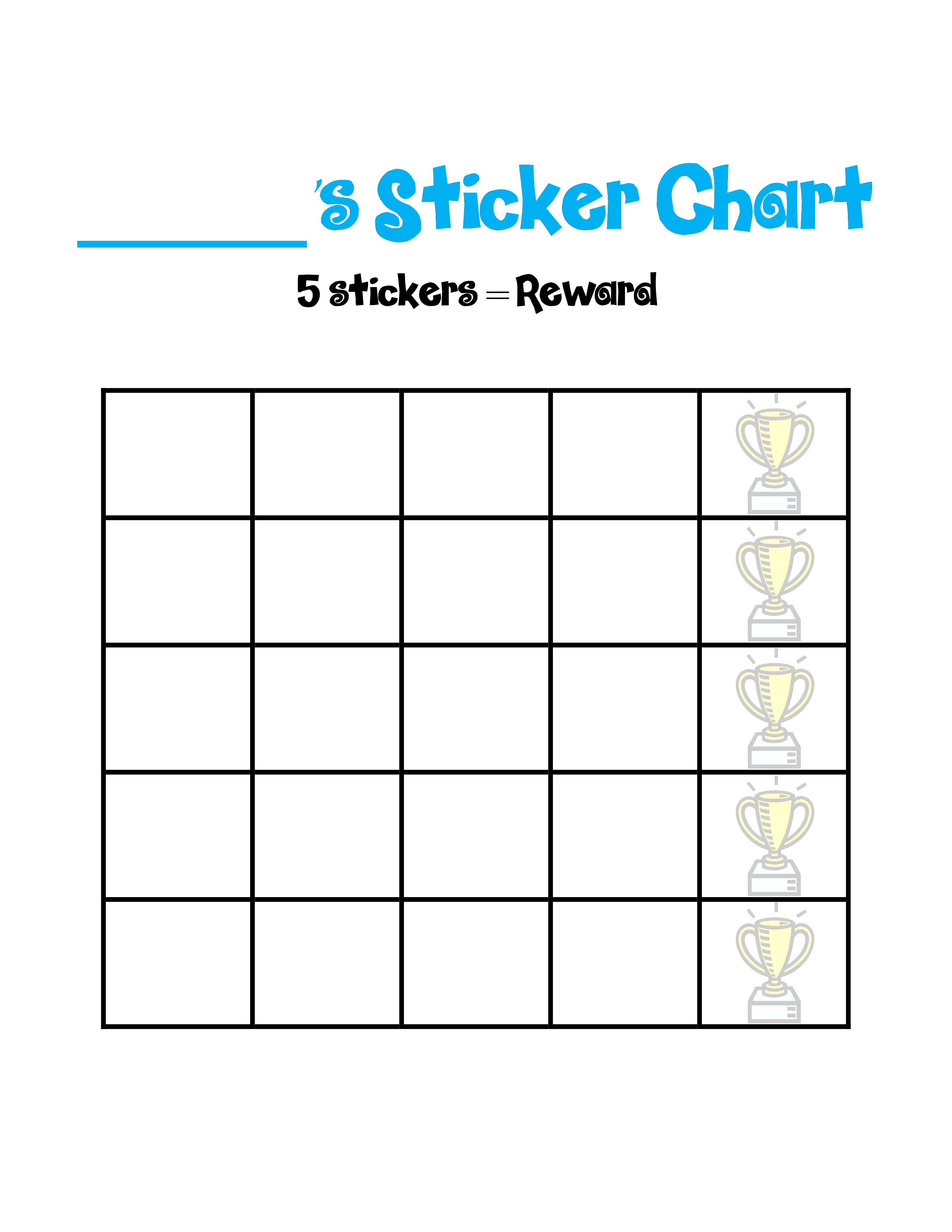
It is important to note that sticker charts should be used as a positive reinforcement tool and not as a punishment or reward system. The focus should be on encouraging and motivating children, rather than solely on earning stickers. It is also important to set realistic and achievable goals, as this will increase the child’s chances of success and maintain their motivation.
In conclusion, sticker charts are a valuable tool for encouraging and rewarding positive behavior in children. They provide a visual representation of progress and success, and can be customized to fit the needs and interests of each child. Sticker charts can be used to teach life skills, promote academic success, and reinforce positive behaviors and habits. By using sticker charts in a positive and motivating manner, parents and teachers can create a supportive and encouraging environment that helps children thrive.