Reflexology is a practice that has been used by people all over the world for centuries. It is a type of alternative therapy that focuses on applying pressure to specific points on the feet, hands, and ears. The theory behind reflexology is that these points correspond to different organs and systems in the body, and by applying pressure to them, you can promote healing and relaxation.
A Holistic Approach to Health
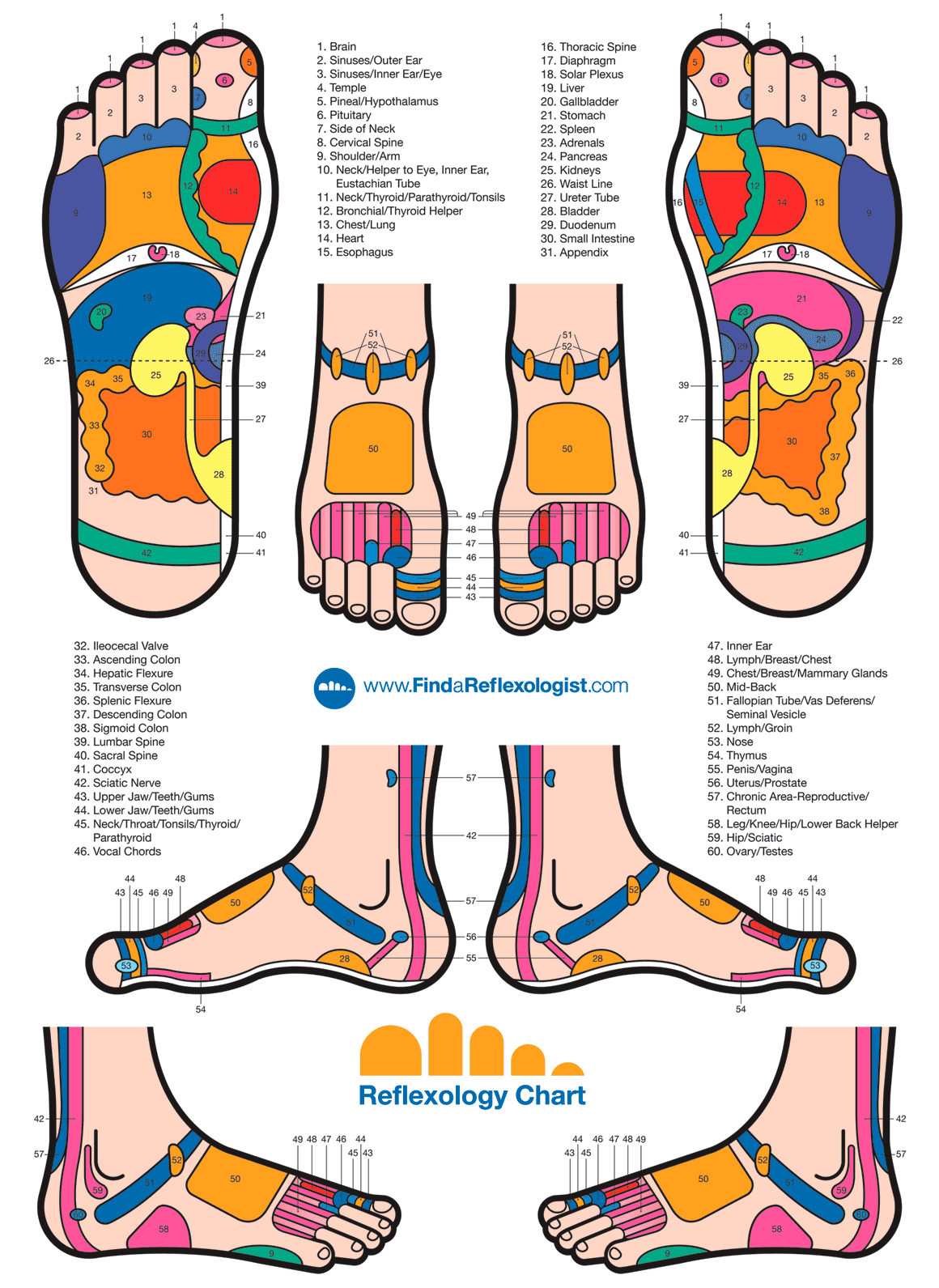 One of the fundamental beliefs of reflexology is that the body is interconnected, and its different parts are interdependent. This holistic approach suggests that imbalances in one part of the body can affect the overall health and well-being of the individual. By stimulating specific reflex points on the feet, practitioners aim to restore balance and promote the body’s natural healing abilities.
Understanding Reflexology Charts
 Reflexology charts are valuable tools for both practitioners and individuals interested in exploring this practice. These charts depict the reflex points on the feet and indicate their corresponding organs or systems. They serve as guides for those seeking to apply pressure to specific areas to address their health concerns.
Additionally, reflexology charts can also help individuals understand the potential benefits of reflexology. By visually mapping out the connections between the reflex points and the body, these charts provide a comprehensive overview of how reflexology can be used to target specific health issues.
The Benefits of Reflexology
Reflexology is known to offer numerous potential benefits. While scientific research on reflexology is still limited, many individuals report positive experiences and improvements in their overall well-being after consistent sessions of reflexology. Here are some of the commonly mentioned benefits:
-
- Relaxation: Many people find reflexology to be deeply relaxing, reducing stress and promoting a sense of calm.
-
- Improved circulation: By stimulating the reflex points, reflexology may help improve blood circulation throughout the body.
-
- Pain management: Reflexology has been used as a complementary therapy to help manage pain associated with various conditions, such as migraines, arthritis, and back pain.
-
- Enhanced sleep quality: Some individuals have reported experiencing improved sleep after receiving reflexology treatments.
-
- Boosted immune system: The relaxation and stress-reducing effects of reflexology may potentially support a healthy immune system.
Getting Started with Reflexology
If you’re interested in trying reflexology, there are several resources available to guide you. The internet offers a wealth of printable reflexology charts that you can easily access and use as a reference. Here are just a few examples:
-
Chart 1:
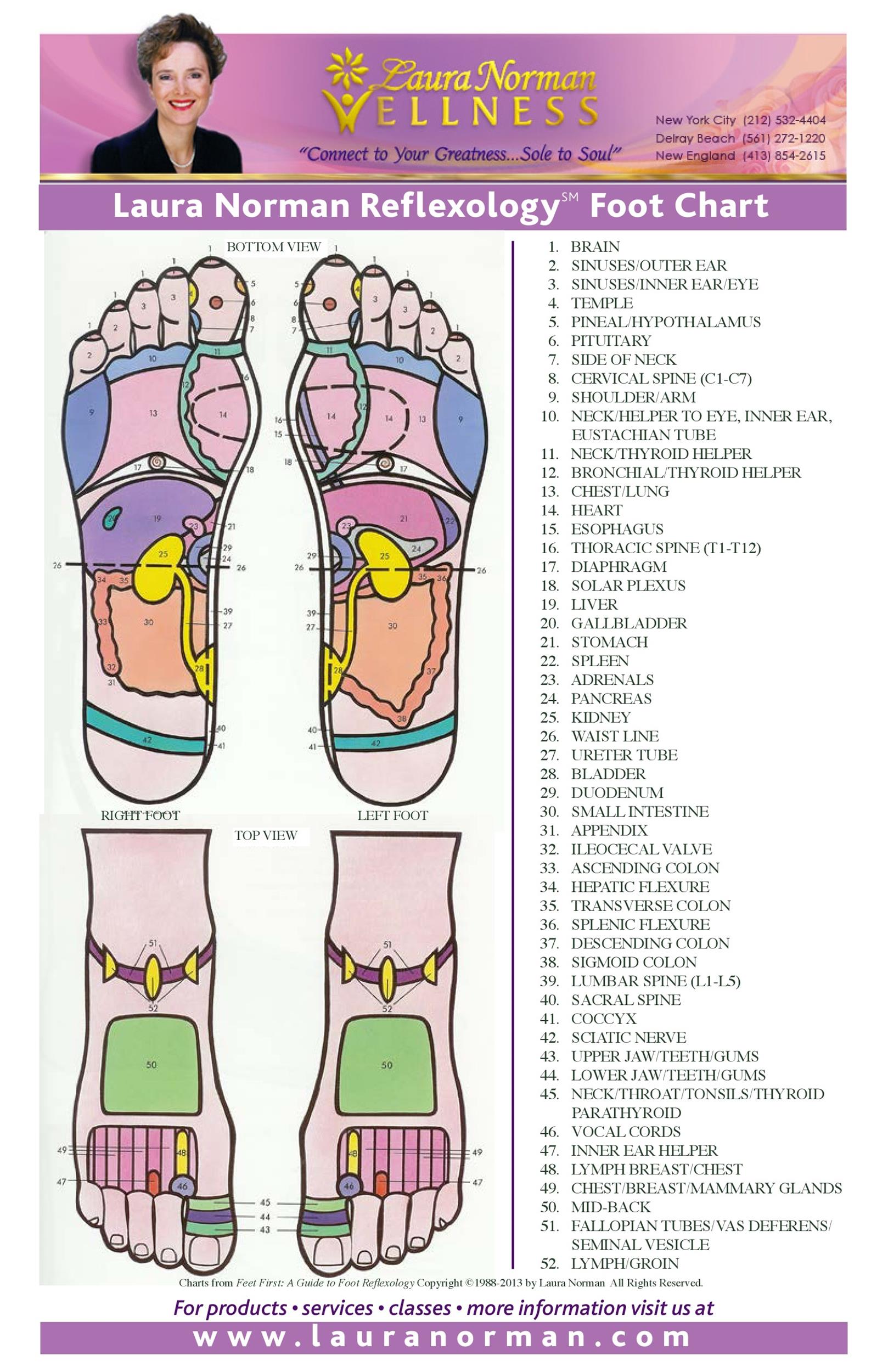 This chart provides a comprehensive overview of the reflex points on the feet and can be used as a visual guide for your reflexology practice.
 -
Chart 2:
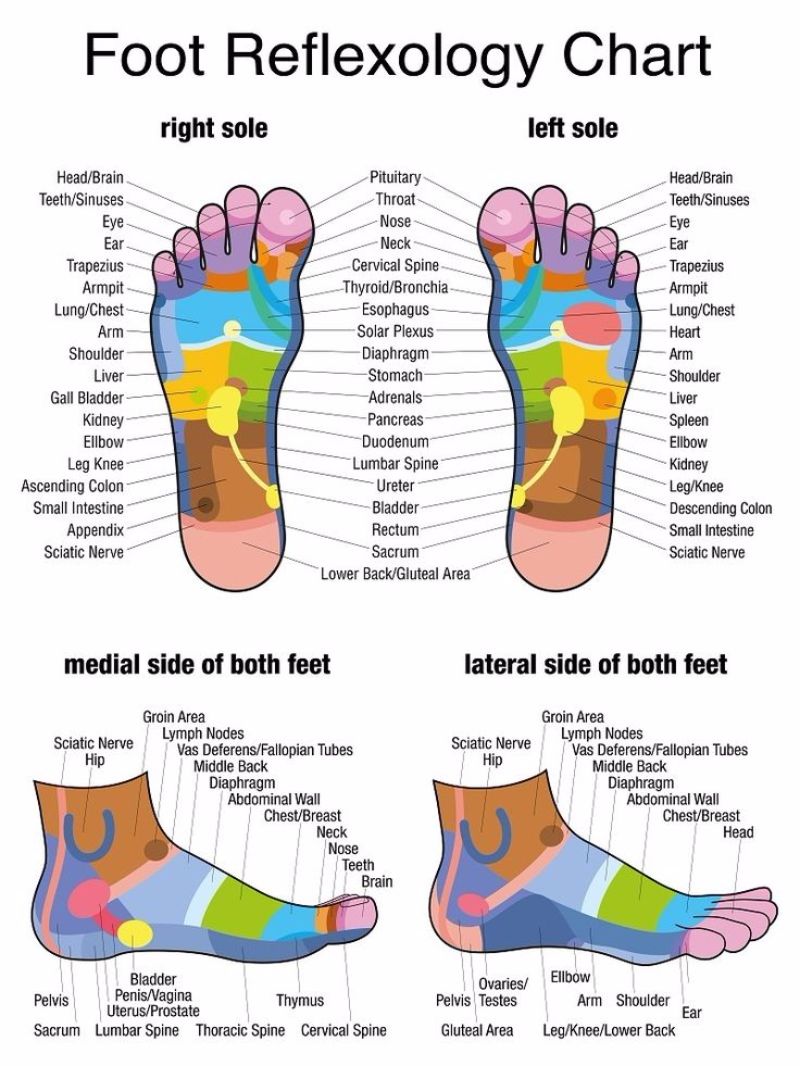 With a focus on the feet, this chart highlights specific reflex points and provides a closer look at how they correspond to different organs and systems.
 -
Chart 3:
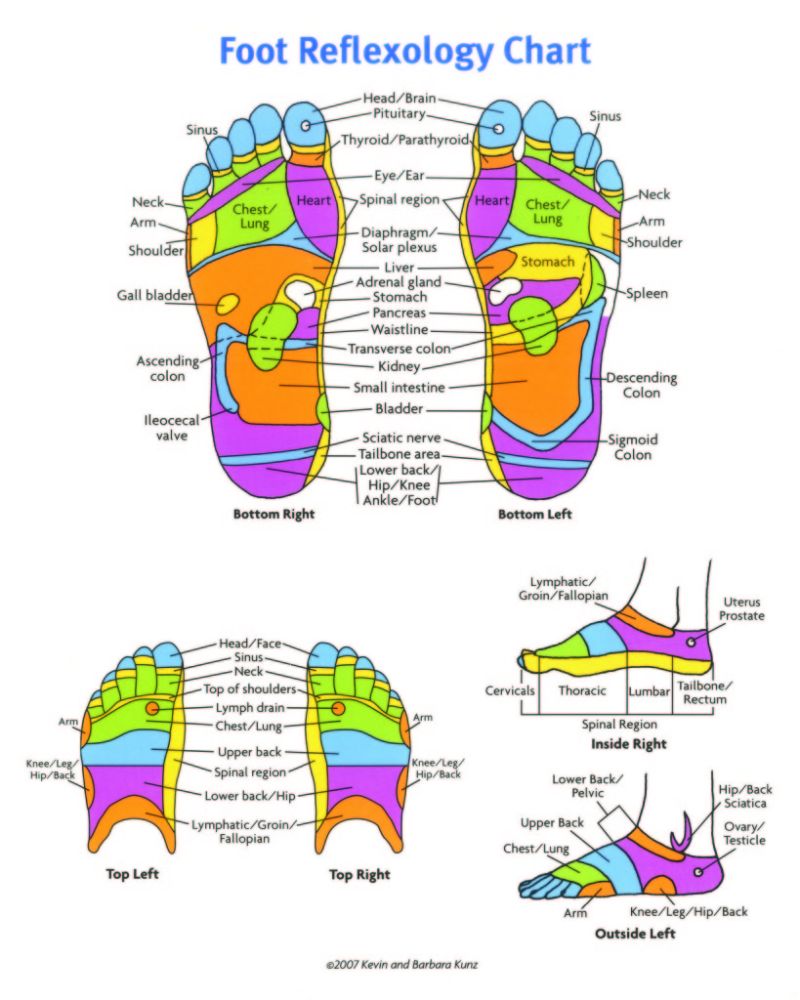 This chart provides a simple and easy-to-follow visual representation of the reflex points on the feet.
Remember, reflexology is not intended to replace medical treatment or diagnosis. It is always important to consult with a healthcare professional before starting any new therapy or making changes to your healthcare regimen.
Whether you’re seeking relaxation or exploring alternative therapies, reflexology offers a potentially valuable practice to enhance your well-being. With the help of printable reflexology charts and a willingness to explore, you can embark on a journey of self-discovery and self-care through the art of reflexology.
