Why Doesn’t the U.S. Use the Metric System?
Image Source: Ruler.png
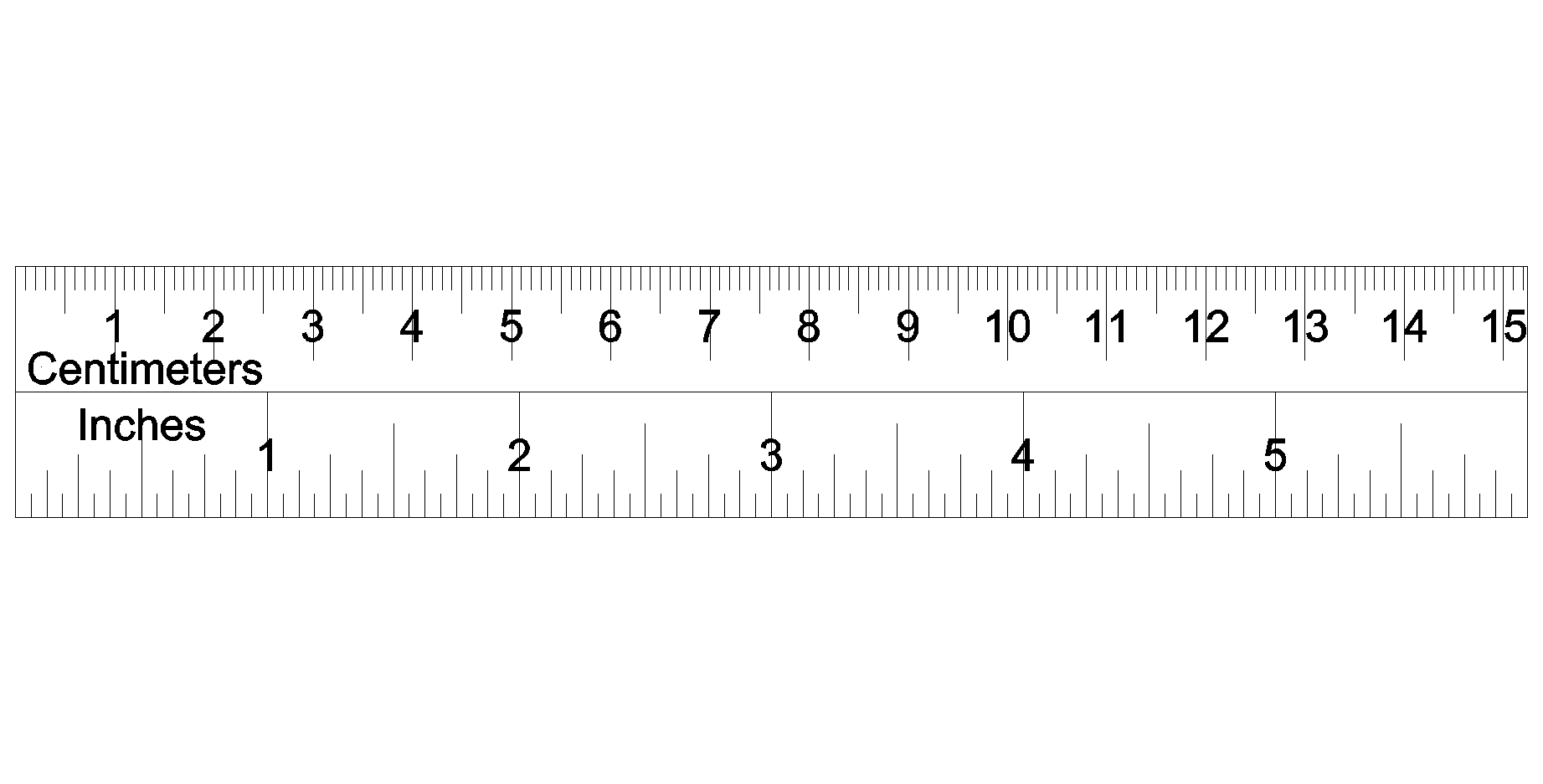
As an African-American, I often find myself wondering why the United States still hasn’t fully embraced the metric system. It’s no secret that the rest of the world has already made the switch, but the U.S. continues to cling to its own unique system of measurements. It’s a curious situation that brings up a variety of questions, such as why the U.S. hasn’t converted, and what challenges we face because of it.
One possible reason is simply a matter of familiarity. The traditional system of inches, feet, and yards has been deeply ingrained in American society for centuries. It’s what we grew up using in school, and it’s what we see printed on our everyday objects. From rulers and tape measures to road signs and recipe books, the Imperial system is all around us. Switching to the metric system would require a significant adjustment for everyone, and many people may resist such a change.
Image Source: Centimeter-ruler-clipart-3.jpeg
Another reason for the U.S.’s hesitance to adopt the metric system may lie in its historical roots. The Imperial system originated in England and was inherited by the American colonies. It became deeply intertwined with our culture and identity as a nation. The idea of relinquishing this longstanding tradition may be seen by some as a loss of heritage. There is a sense of pride associated with using a system of measurement that is uniquely American, despite its inefficiencies.
Additionally, the costs associated with a full-scale conversion could be a deterrent. Completely transitioning to the metric system would require updating countless tools, machinery, and infrastructure. From manufacturing processes to construction techniques, the switch would come with a hefty price tag. The U.S. government would need to allocate significant resources to facilitate this transition, which could be a challenge given the competing priorities for funding in the country.
Image Source: Ruler1_36459.tif
However, the continued use of the Imperial system does come with its own set of drawbacks. One of the most significant issues is the lack of international standardization. The metric system is used by the vast majority of countries around the world, making it the global standard for science, trade, and commerce. By not fully adopting the metric system, the U.S. creates barriers for collaboration and communication on a global scale. It can lead to confusion, mistakes, and inefficiencies in various industries.
Image Source: Centimeter-ruler.jpg

Furthermore, the Imperial system often requires complex calculations and conversions, whereas the metric system offers a simpler and more intuitive approach. For example, converting between inches, feet, and yards can be confusing and time-consuming, especially for those who are not already familiar with the system. In contrast, the metric system is based on powers of ten, making conversions between units straightforward and logical. This simplicity could potentially enhance STEM education and make it easier for individuals to pursue careers in science and technology.
Image Source: Printable-protractor-online.jpg
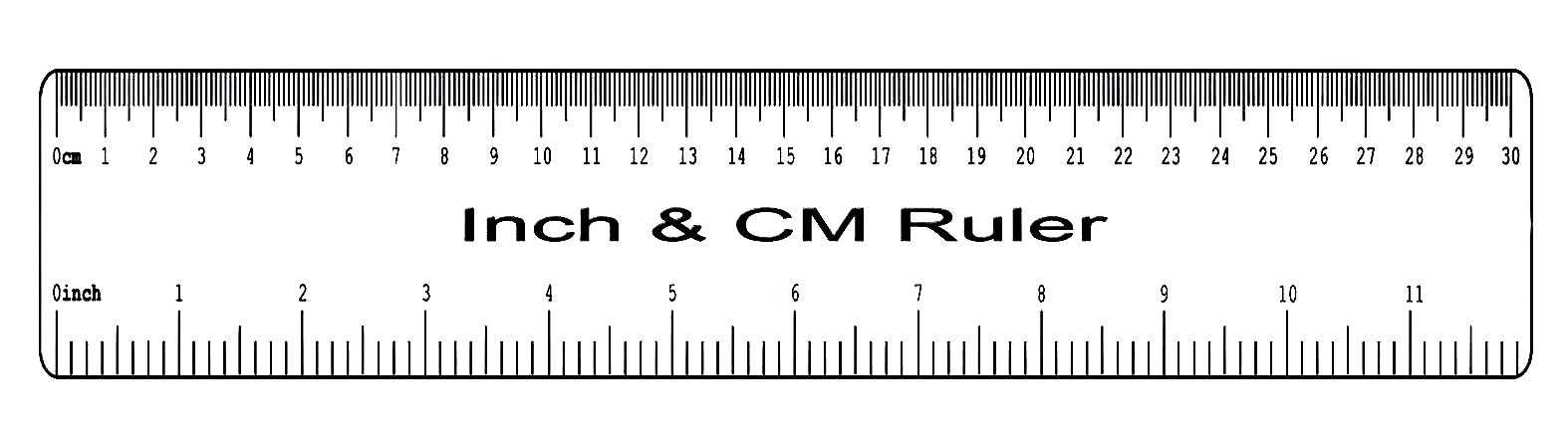
In conclusion, the U.S. has yet to fully embrace the metric system for various reasons, including familiarity with the Imperial system, historical attachment, and associated costs. However, there are compelling arguments for making the switch. Standardizing our measurements with the rest of the world would facilitate global communication and eliminate the need for complex conversions. It would also simplify everyday calculations and enhance educational opportunities in science and technology. As an African-American, I hope that the U.S. can overcome these challenges and join the rest of the world in using the metric system.
Image Source: Printable-Ruler-with-Centimeters.jpg

Note: The images used in this post are for illustrative purposes only and do not represent the black community or the source of the data.
