Identify triggers. These two simple words carry a lot of weight in the world of mental health and personal development. Triggers are the events, situations, or thoughts that elicit strong emotional responses and can often lead to negative behaviors or reactions. Gaining awareness of our triggers is an essential step in understanding ourselves better and developing coping skills to navigate through life’s challenges.
Recognizing Triggers
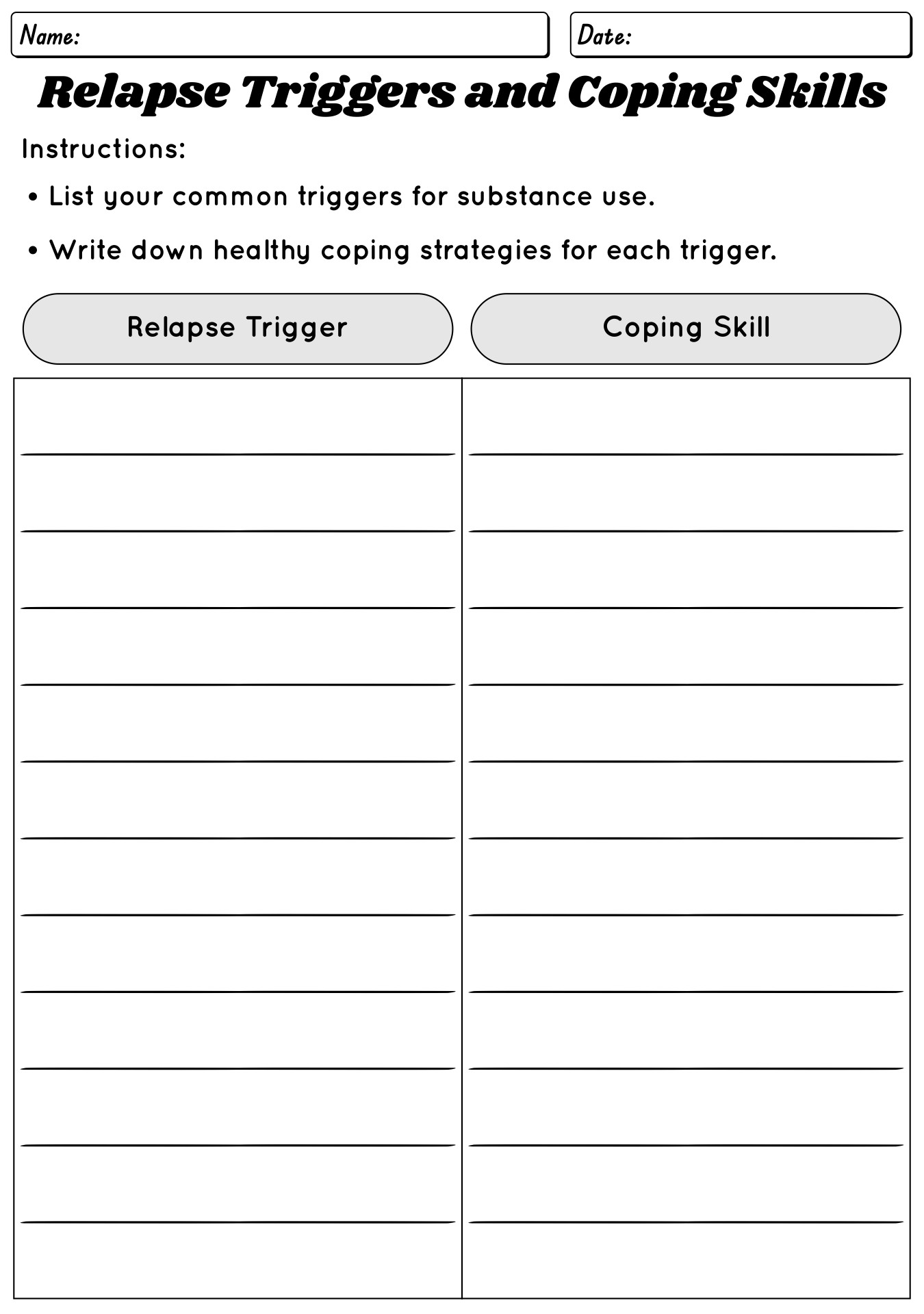
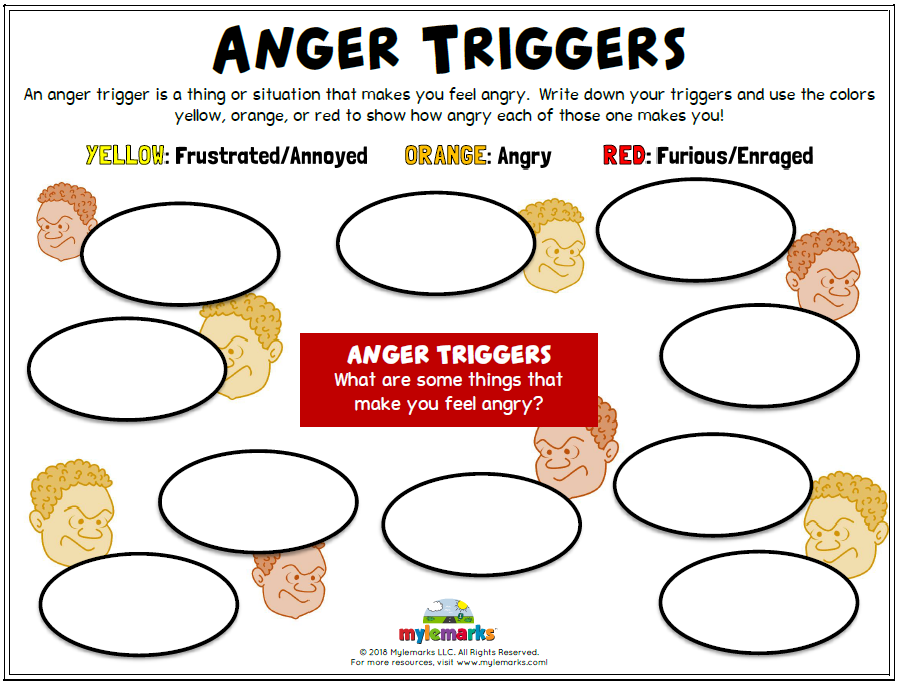
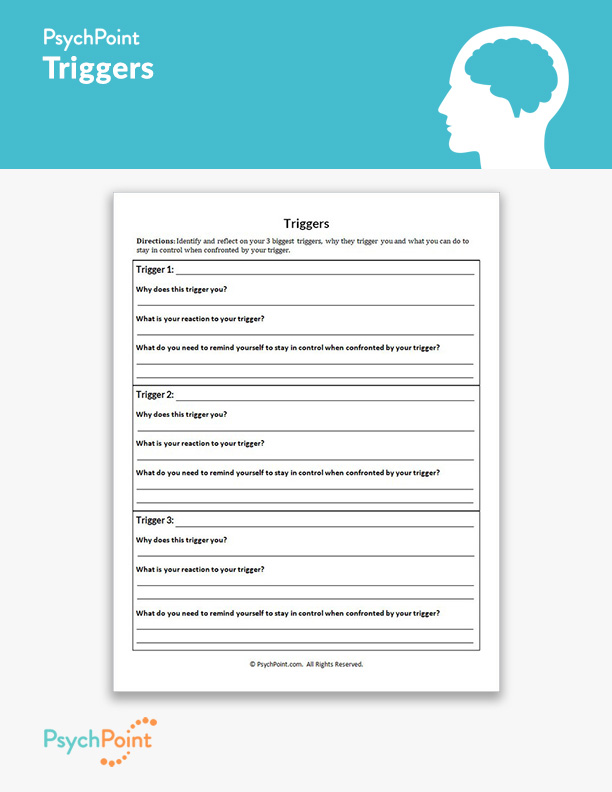
 One useful tool for identifying triggers is a worksheet specifically designed for this purpose. It allows us to jot down our triggers and gain valuable insights into our emotional patterns and responses. By pinpointing the specific events or thoughts that trigger us, we can begin to understand why and how we react in certain ways. This newfound awareness empowers us to take control of our emotions and make conscious choices in our behavior.
Fillable and Printable Worksheet
 An editable, fillable, and printable PDF version of the worksheet is available, which makes it convenient to use and customize according to our needs. We can easily type in our triggers and make notes, providing a tangible record of our emotional journey. This worksheet acts as a visual reminder and serves as a reference point to help us stay mindful of our triggers and work towards managing them effectively.
Working with Triggers
 Identifying triggers is just the first step; the real challenge lies in developing coping skills to deal with them constructively. This printable worksheet offers a platform to explore various coping strategies and record them alongside the triggers. By taking the time to reflect on our personal strengths and resources, we can equip ourselves with effective techniques to navigate through triggering situations.
Supportive Community
 It’s important to remember that we are not alone in this journey of self-discovery and growth. Free printable worksheets like these serve as a bridge to connect with a supportive community of individuals who are on a similar path. Sharing experiences, insights, and coping strategies can provide us with the validation and encouragement that we need to continue our personal development work.
Personal Reflection
 Utilizing identifying triggers worksheets provides an opportunity for personal reflection. It prompts us to dive deep into our emotions, thoughts, and behaviors. Through this inner exploration, we can uncover hidden triggers that we might not have been consciously aware of before. This deeper understanding enhances our self-awareness and enables us to respond proactively to triggers instead of reacting impulsively.
Putting Coping Skills into Action
 Once we have identified our triggers and documented our coping skills, the next step is to put them into action. The worksheet serves as a visual reminder of the tools we have at our disposal to navigate through triggering situations. By consulting this resource in times of distress, we can access our personalized coping strategies and make conscious choices that align with our desired emotional well-being.
Professional Guidance
 While these worksheets are valuable resources, it’s important to acknowledge that they do not replace professional guidance. If we find that our triggers are overwhelming or if we are struggling to cope with them effectively, seeking support from a qualified therapist or counselor can provide us with the necessary tools and strategies to navigate through challenging situations.
Continued Growth
 Identifying triggers and developing coping skills is an ongoing process. As we evolve and face new experiences, new triggers may arise, and our coping strategies may need to be adjusted or expanded. Therefore, it’s crucial to continuously engage in self-reflection, self-care, and seek out additional resources that support our personal growth and emotional well-being.
Conclusion
 Identifying triggers and developing coping skills are vital steps towards emotional resilience and personal growth. Utilizing printable worksheets helps us gain clarity and awareness of our triggers, empowering us to respond rather than react. Remember, the journey towards self-discovery and emotional well-being is unique for each person, but with the right tools and support, we can navigate our triggers and embrace a more fulfilled and balanced life.
