Low Purine Diet for Gout: A Comprehensive Guide
Introduction
 Gout is a form of arthritis that affects millions of people worldwide. It is a painful condition caused by the buildup of uric acid crystals in the joints. While medication is often prescribed to manage gout, adopting a low purine diet can also play a crucial role in reducing symptoms and preventing future flare-ups.
The Importance of a Low Purine Diet
 A low purine diet is designed to limit the intake of foods that are high in purines. Purines are natural substances found in certain foods and drinks that our bodies break down into uric acid. By reducing the amount of purine-rich foods in your diet, you can lower the levels of uric acid in your body and minimize the risk of gout attacks.
What to Eat on a Low Purine Diet
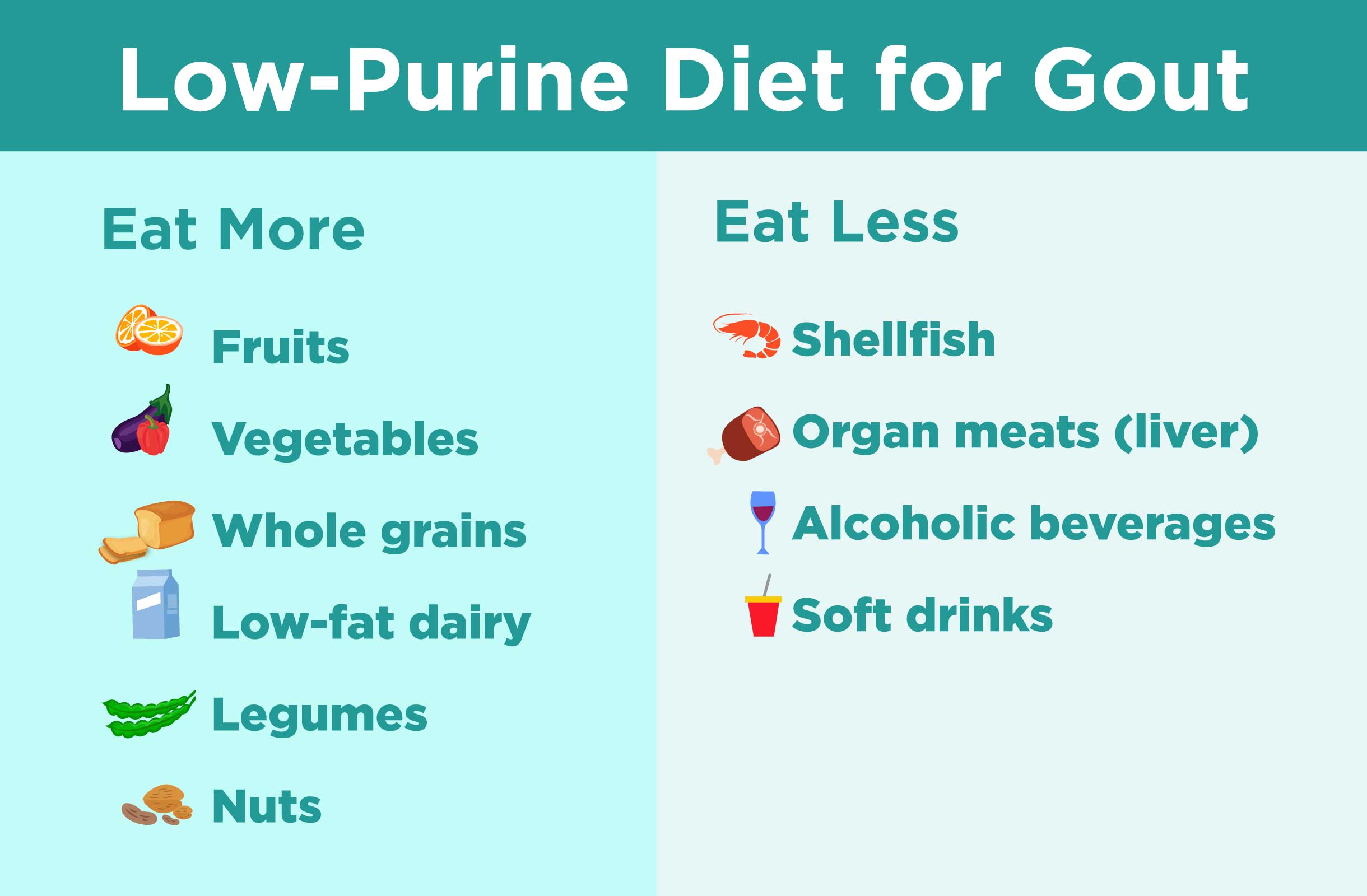
 When following a low purine diet, it is important to focus on consuming foods that are low in purines. Some examples of low purine foods include:
- Low-fat dairy products
- Vegetables, such as broccoli, carrots, and cabbage
- Fruits, including apples, berries, and cherries
- Grains, such as oats, rice, and quinoa
- Protein sources like eggs, tofu, and poultry in moderation
It is crucial to maintain a balanced diet that incorporates these low purine foods to ensure you are getting all the necessary nutrients while minimizing purine intake.
Foods to Limit or Avoid
 While some foods are low in purines, others have high purine content and should be limited or avoided. These foods include:
- Organ meats, such as liver and kidneys
- Game meats, like venison and rabbit
- Seafood, especially anchovies, sardines, and mussels
- Alcohol, particularly beer and liquor
- Processed and fried foods
By limiting or avoiding these high purine foods, you can significantly reduce the risk of gout attacks and alleviate symptoms.
Creating a Low Purine Diet Plan
 When creating a low purine diet plan, it is essential to consult with a healthcare professional or a registered dietitian. They can provide personalized recommendations based on your specific needs and medical history.
Your diet plan may include:
- Portion control: Moderation is key to managing purine intake.
- Hydration: Drinking plenty of water helps flush out uric acid from your system.
- Meal planning: Planning meals in advance can help you make healthier choices and avoid high purine foods.
- Reading labels: Paying attention to food labels can help you identify hidden sources of purines in packaged foods.
Conclusion
 A low purine diet can be an effective strategy for managing gout and reducing the frequency and severity of flare-ups. By making informed dietary choices and following a balanced low purine meal plan, individuals with gout can take control of their condition and improve their overall quality of life.
Remember to consult with a healthcare professional or registered dietitian before making any significant changes to your diet. They can provide tailored advice and support to help you create a personalized low purine diet plan that suits your individual needs and preferences.
